
The humanitarian crisis in the Gaza Strip has not ended despite the ceasefire framework announced in October 2025. According to the United Nations Office for the Coordination of Humanitarian Affairs (OCHA), most of Gaza's approximately 2.1 million people remain displaced and continue to live in crowded and often inadequate shelters. Civilian casualties and damage to essential infrastructure are still being reported.\n\nThe approach of the rainy season is creating additional concerns. Many displaced families are living in makeshift or damaged shelters that provide limited protection from flooding and harsh weather. OCHA has warned that funding shortages, access restrictions and security challenges are limiting humanitarian organizations' ability to prepare adequately for the coming season.\n\nWater and sanitation have become particularly serious concerns. OCHA reported damage to a water well and desalination plant in Deir al-Balah, while reductions in water provision have affected large numbers of people across the Strip. The World Health Organization has also warned that overflowing sewage, accumulating waste and limited access to safe water are creating increasingly dangerous public-health conditions.\n\nWHO reported that cases of acute watery diarrhoea have nearly doubled in 2026, raising concerns that flooding could spread contaminated water and sewage through densely populated areas. Gaza's already overstretched health system may struggle to cope with additional outbreaks and emergency needs.\n\nThe long-term impact on injured civilians is also significant. WHO says more than 6,600 people require long-term rehabilitation and prosthetic or orthotic services following limb amputations. Access to critical medical, laboratory, rehabilitation and assistive equipment remains constrained.\n\nOCHA reported that 31 Palestinians were killed and 86 injured between 26 August and 2 September 2026, citing Gaza's Ministry of Health. OCHA noted that these figures had not been independently verified. The same report said that, since the announcement of the ceasefire agreement on 10 October 2025, Gaza's Ministry of Health had reported 1,334 fatalities and 4,429 injuries.\n\nThe situation in Gaza therefore remains a broad humanitarian emergency involving shelter, water, healthcare, sanitation, food security and civilian protection. Humanitarian agencies continue to emphasize the need for safe and sustained access, sufficient funding and the protection of civilians under international humanitarian law.
Gaza's Humanitarian Crisis Persists Despite Ceasefire Framework
Gaza's civilian population continues to face displacement, damaged infrastructure, water insecurity and serious health risks
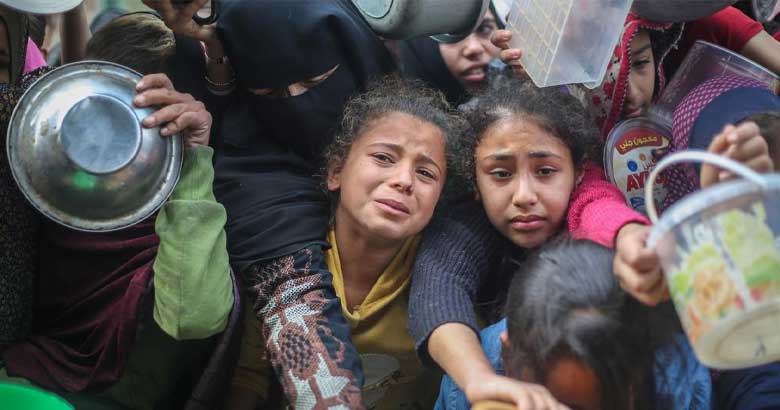
Source: UN OCHA
#Gaza#Palestine#Humanitarian Crisis#Middle East#War
